
In the light of the preventive measures announced by the Ministry of Health of RA against coronavirus, as well as our sincere care for well-being and safety of our people, our clients and communities, all three companies within “Grant Thornton Armenia” have shifted to a “work from home” operational mode till 27 March.

Read our insights, reports and more
Showing 16 of 26 content results
Announcement
We work from home

20 years in Armenia
Grant Thornton Armenia celebrates 20th anniversary
Grant Thornton Armenia celebrates its 20th anniversary this year. Since 1997 Grant Thornton has been providing audit and advisory services to public and private sector organisations.

Travel, tourism and leisure
Business model innovation: hotels' roadmap to 2020
Guests are less loyal and more demanding than ever before. They use online travel agents (OTAs) and aggregators to find the best hotels and deals – which helps operators fill their rooms, but at a cost.

|
21 Apr 2016


IBR
Women in business: turning promise into practice
The gender diversity issue has been on the business agenda for many years now, yet a third of businesses still have no women at a senior management level. Somewhere there is a disconnect.

|
08 Mar 2016

Tax
Rethinking tax: The shift to indirect tax
Whilst corporate tax avoidance continues to grab headlines, some of the biggest reforms are in fact occurring within indirect tax.

Tax
Navigating BEPS: implications and actions
With increasing compliance obligations and risks expected as a result of BEPS, tax is set to be more integral to businesses decision making processes

IFRS
Classification of loans with covenants
Grant Thornton International Ltd releases IFRS Viewpoint on Classification of loans with covenants

|
19 Jan 2016

Tax
Priorities for tomorrow’s unicorns
For tomorrow’s billion-dollar tech companies, the challenge and complexity of tax should never be underestimated.
Tax
Asia Pacific feels the impact of BEPS
How will Asia Pacific countries be affected by the BEPS recommendations?

Tax
What the tax function of today needs to know for tomorrow
The practical impact of the OECDs recommendations and the key issues that should be on your radar as a tax function and head of tax.
Tax
Big shake-up in international tax rules
So will the Base Erosion and Profit Shifting (BEPS) Action Plan result in a tax system that’s fairer, more efficient and more understandable?
|
05 Oct 2015

Tax
Southeast Asia: Weighing up the headquarter options
As growth in output and demand in Southeast Asia continue to accelerate, where to base your business and locate key functions within the region is high on the corporate agenda.
|
03 Aug 2015

Tax
Making relocation work for your business
Relocation and restructuring can deliver significant commercial, operational and tax benefits and it isn’t just large multinationals who are on the move.
|
28 Jul 2015
GrowthiQ
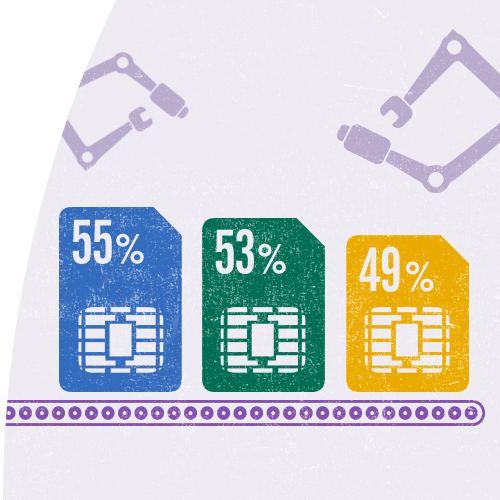
Automation: the pros & cons
Rising labour costs and the quest for productivity are driving businesses to automate. Finding new roles for redundant workers will be the next challenge.